5 Jun 2026
Decoding Synchronization Protocols Between Mobile Apps and Live Dealer Interfaces Across Multi-Jurisdictional Platforms
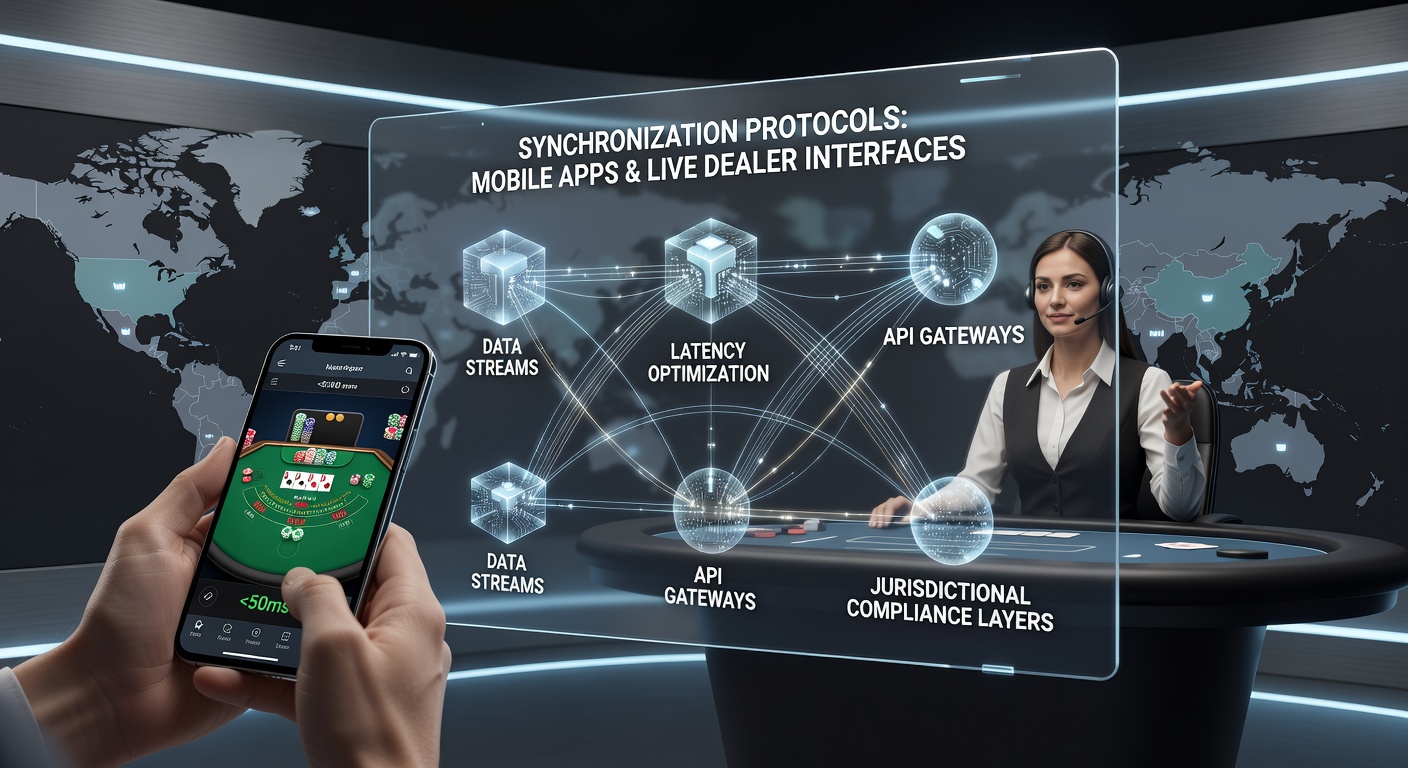
Live dealer platforms rely on precise timing between mobile applications and remote gaming studios, yet synchronization protocols must adapt when operators serve users across separate regulatory zones. Data from industry reports shows these systems transmit video streams, bet placements, and result confirmations through layered communication layers that include WebSocket connections, API gateways, and encrypted token exchanges.
Core Technical Layers in Cross-Border Setups
Protocols begin with device-side handshakes that verify jurisdiction before any live feed activates. Mobile apps query location services and regulatory tokens simultaneously, then route traffic through jurisdiction-specific endpoints that enforce latency thresholds and data residency rules. Researchers at technical institutes have documented how operators deploy edge servers in each licensed territory to maintain sub-200-millisecond round trips between player devices and dealer cameras.
Once the initial connection establishes, continuous state synchronization occurs through event-driven messaging. Every card draw, chip movement, and timer tick travels as structured payloads that both the app and studio software must acknowledge within strict windows. Failures trigger rollback sequences that prevent mismatched outcomes, a safeguard observed in production environments spanning multiple continents.
Regulatory Mapping and Compliance Mechanisms
Each jurisdiction imposes distinct requirements on data flow and audit trails. Platforms serving regions from North America to Asia Pacific maintain separate compliance modules that tag every synchronization packet with jurisdiction identifiers. Figures released by the Malta Gaming Authority indicate that operators must retain full session logs for at least five years when games cross EU borders, while certain Canadian provinces demand real-time reporting feeds directly to provincial oversight systems.
Multi-jurisdictional operators therefore implement dynamic protocol negotiation. An app detects a player entering a new licensed area adn renegotiates cipher suites, video compression levels, and bet confirmation intervals without interrupting the live table. Observers note this approach reduces session drops during travel between regulatory zones, although it increases backend complexity for session state management.

Latency Handling and Redundancy Strategies
Live dealer interfaces depend on synchronized clocks across distributed nodes. Protocols incorporate Network Time Protocol corrections plus proprietary jitter buffers that absorb minor network fluctuations. When packets arrive out of sequence, receiving systems reorder events based on embedded sequence numbers and timestamps before rendering results to the player screen.
Redundancy comes through mirrored data centers located in separate regulatory jurisdictions. Should one regional node experience congestion, traffic shifts to an alternate path while preserving the same session token. Studies conducted by gaming technology consortia reveal that such failover sequences complete within 800 milliseconds on average, keeping dealer interactions intact for users in both primary and backup regions.
Security Protocols Across Jurisdictions
Encryption standards vary by territory, prompting platforms to support multiple cipher configurations within a single application binary. Token-based authentication rotates keys at intervals defined by the strictest jurisdiction active in the session. External penetration testing conducted in 2025 demonstrated that unified key rotation schedules reduce exposure windows compared with static regional keys.
June 2026 brings new interoperability guidelines from several North American regulators that require standardized audit hooks inside synchronization layers. Operators have begun embedding these hooks into existing WebSocket frameworks so compliance teams can extract session metadata without additional client updates.
Future Protocol Developments
Emerging standards focus on semantic synchronization rather than raw packet matching. Instead of transmitting every micro-event, newer frameworks allow apps and studios to exchange higher-level game states that both sides reconstruct identically. Early trials reported by research groups show reduced bandwidth consumption while maintaining identical outcomes across different device types and network conditions.
These advancements continue to shape how platforms maintain consistent live dealer experiences when users move between licensed markets. The technical choices made today determine whether synchronization remains reliable as regulatory landscapes evolve further.
Conclusion
Synchronization protocols form the invisible backbone that lets mobile apps and live dealer interfaces function together across fragmented regulatory environments. Continued refinement of these systems, driven by both technical requirements and compliance deadlines such as those arriving in June 2026, keeps real-time gaming accessible while satisfying distinct jurisdictional demands. Data from regulatory bodies and industry testing continues to guide incremental improvements in latency, security, and failover performance.