15 Jun 2026
Dissecting Layered Incentive Structures Within Blended Tournament Poker and Spinning Wheel Environments
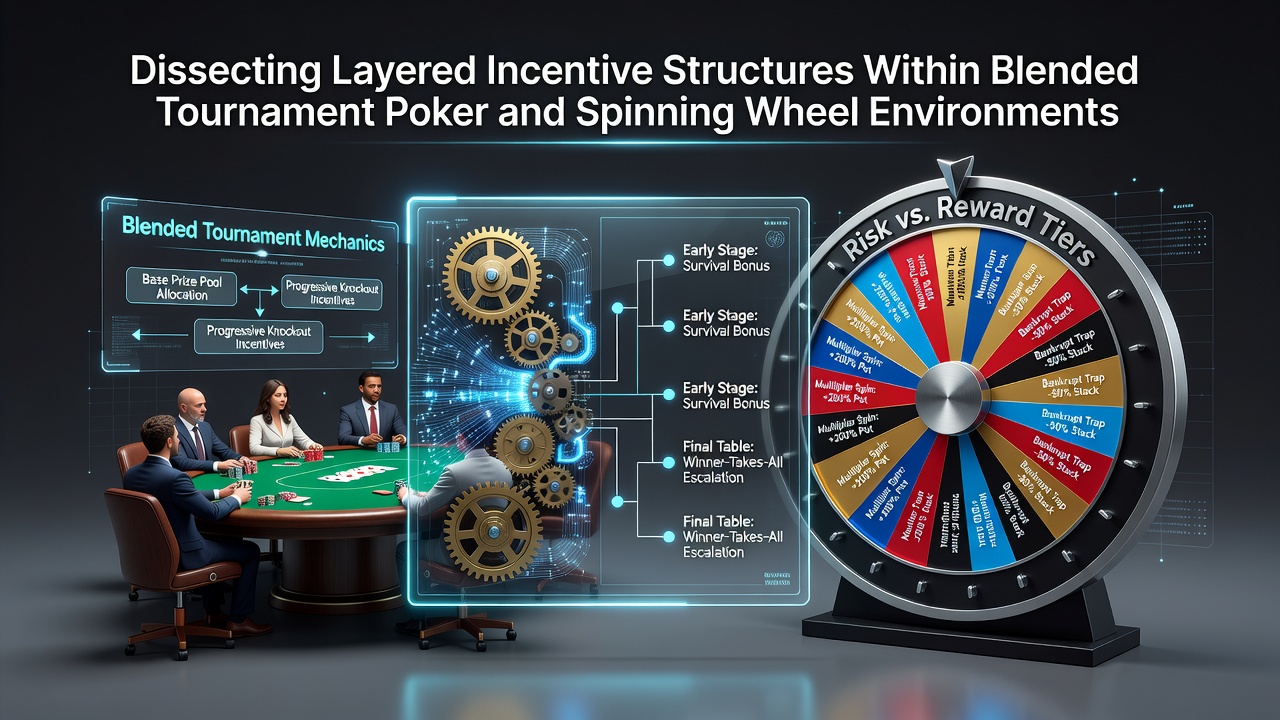
Blended environments that combine tournament poker wth spinning wheel games such as roulette create complex incentive systems where multiple reward layers interact across different game formats, and operators structure these systems to retain players through tiered loyalty programs, milestone bonuses, and cross-game multipliers that activate when participants move between tables and wheels.
Poker Tournament Reward Layers
Tournament poker incentives typically begin with entry-fee rebates and satellite qualification credits that accumulate toward larger events, while operators add overlay guarantees funded from marketing budgets to boost prize pools and encourage consistent participation across weekly schedules. Data from regional gaming authorities shows these base layers often combine with rake-back percentages that increase as players accumulate tournament volume, creating a foundation that then intersects with spinning wheel rewards when the same accounts engage in concurrent table games.
Observers note that mid-tier incentives frequently include leaderboard points earned from cashes that convert into spinning wheel free bets or multiplier tokens, and these conversions follow formulas tied to finishing positions rather than raw winnings. Research indicates the conversion rates vary by jurisdiction, with North American operators commonly applying 1:5 point ratios while certain European markets adjust ratios seasonally based on player traffic patterns.
Spinning Wheel Incentive Mechanics
Spinning wheel environments layer progressive jackpots, table-specific multipliers, and time-limited streak bonuses that reset after each session or carry forward depending on account status, and these elements activate separately from poker systems yet share the same player database for tracking purposes. Figures from industry reports reveal that daily wheel spins awarded for minimum bet thresholds often stack with weekly challenges that require combined poker and roulette activity to unlock higher payout tiers.
Operators integrate these mechanics through unified wallets that automatically allocate portions of spinning wheel winnings into poker tournament buy-in credits, and the allocation percentages appear in terms of service documents updated periodically to reflect regulatory changes. In June 2026 several North American properties adjusted their allocation caps following new reporting requirements issued by the Nevada Gaming Control Board, which clarified how cross-game credits must be disclosed in player statements.
Layer Integration in Blended Settings
Blended venues synchronize poker tournament schedules with spinning wheel promotions so that players finishing early in one format receive immediate access to the other, and this scheduling reduces downtime while allowing incentive layers to trigger in sequence. One documented approach involves awarding poker participants with wheel tokens that carry bonus multipliers when used within a set window after the tournament concludes, creating a direct handoff between the two environments.

Account-level tracking systems monitor cumulative activity across both formats to determine loyalty tier progression, and these systems apply weighted formulas that assign higher values to poker volume during certain periods while elevating spinning wheel play during promotional windows. According to a 2025 analysis published by the Canadian Gaming Association, blended incentive programs increased average session length by measurable margins when compared with single-format loyalty structures in similar markets.
Regulatory and Operational Considerations
Regulatory frameworks require clear separation between poker tournament prize pools and spinning wheel promotional funds even when layered incentives link the two, and compliance teams maintain audit trails that document how credits flow between game types. Australian wagering authorities have issued guidance documents that emphasize transparent disclosure of multiplier effects when players transition between skill-based and chance-based offerings within the same venue.
Operators update their systems to prevent unintended stacking of identical bonus types across formats, and these updates include automated flags that pause overlapping rewards until the player completes required activity in the secondary game. Data shows enforcement actions have focused on cases where layered structures created effective house-edge reductions beyond approved parameters, prompting tighter integration between compliance software and player-facing applications.
Conclusion
Layered incentive structures in blended tournament poker and spinning wheel environments rely on synchronized tracking systems, weighted loyalty calculations, and regulated credit conversions that allow operators to maintain distinct game integrity while encouraging cross-format engagement. Continued adjustments to these systems reflect both player behavior patterns and evolving regulatory expectations across multiple jurisdictions.