17 Jul 2026
Exploring Interconnected Payout Cycles Across Networked Gaming Systems and Their Impact on Session Longevity Planning
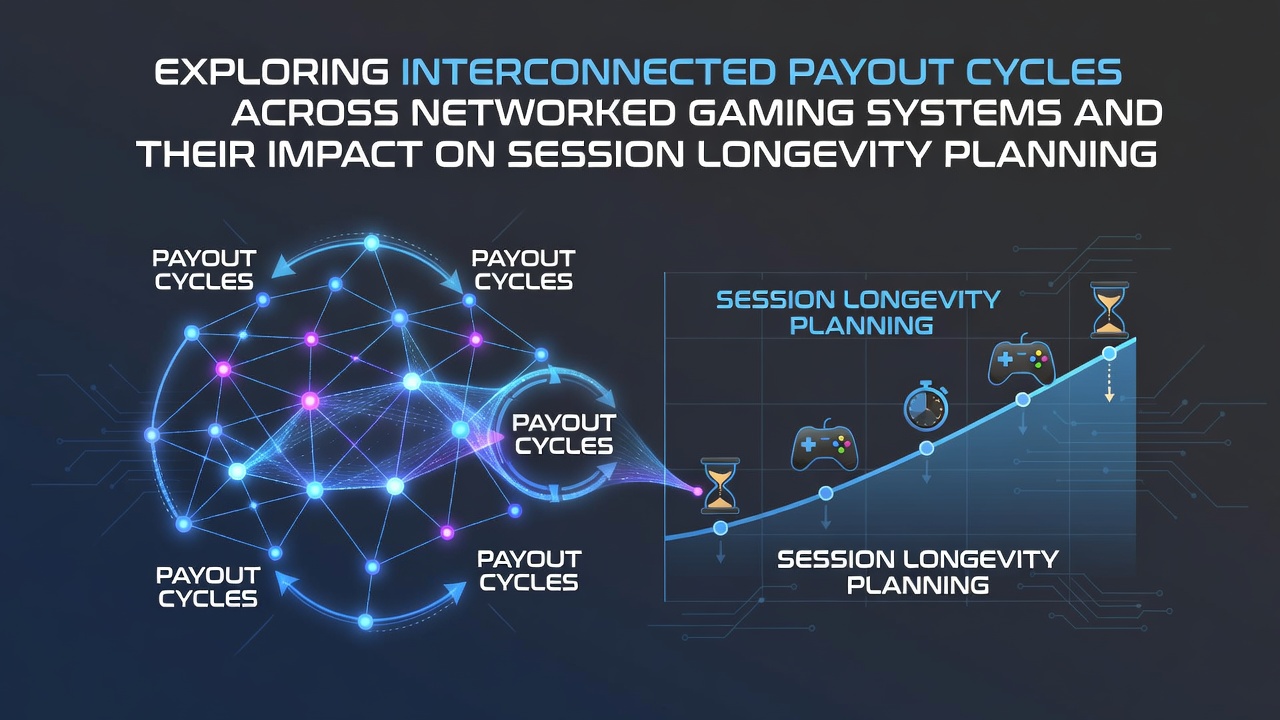
Networked gaming systems link slot machines and electronic tables across multiple venues through centralized servers that track payout cycles in real time. These connections allow operators to monitor aggregate performance while adjusting machine parameters based on collective data streams. Observers note that such networks create feedback loops where activity at one location influences timing and frequency patterns elsewhere in the system.
Mechanics Behind Linked Payout Structures
Central servers collect coin-in figures, win amounts, and session durations from every connected terminal. Algorithms then calculate theoretical payout percentages and adjust volatility settings within regulatory limits. When one cluster of machines experiences elevated play volume, the network redistributes remaining prize pools across linked units to maintain equilibrium. Data from the Nevada Gaming Control Board shows these adjustments occur at intervals ranging from fifteen minutes to several hours depending on jurisdictional rules.
Technicians configure each terminal with seed values that determine initial cycle positions. Once live, the machines exchange telemetry packets every few seconds so the central controller can recalibrate expected return rates. This synchronization prevents any single unit from drifting too far from network-wide averages while still allowing localized variance within approved ranges.
Effects on Session Duration Calculations
Players and analysts examine historical cycle data to estimate how long a given machine or bank of machines will remain in a particular payout phase. Because cycles interconnect, an extended dry spell at one site can signal similar conditions developing elsewhere in the network. Session longevity planning therefore incorporates cross-site indicators rather than isolated terminal statistics alone.
Operators publish aggregated reports that detail average cycle lengths and standard deviations across their networks. These figures help planners determine when to rotate between venues or switch game types to align with projected upswings. In July 2026 several multi-state operators began releasing anonymized cycle maps that update hourly, giving participants additional reference points for timing decisions.
Technological Infrastructure Supporting Real-Time Adjustments
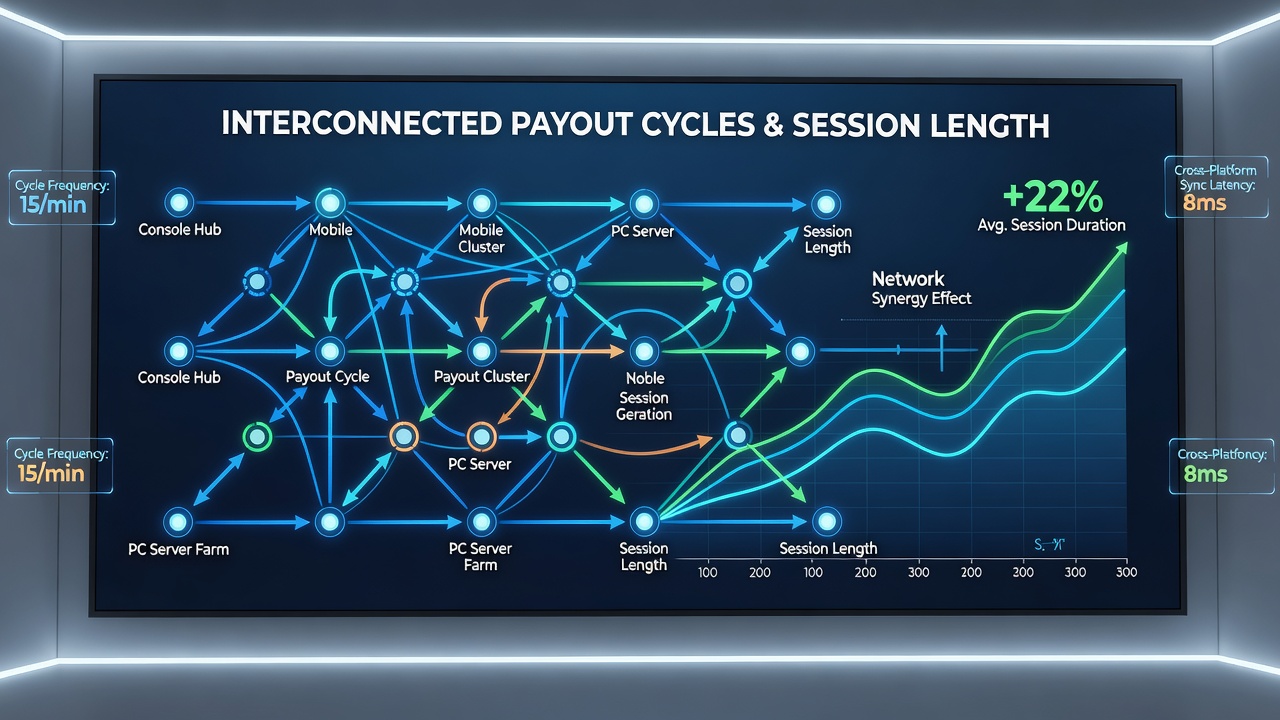
Modern networks rely on low-latency fiber connections and redundant cloud instances to maintain continuous data flow. Each terminal runs firmware that validates incoming cycle updates against local checksums before applying changes. When latency spikes occur, the system defaults to conservative payout modes until full synchronization resumes.
Research conducted at the University of Nevada, Reno examined synchronization accuracy across 12,000 terminals over eighteen months. The study documented that 94 percent of cycle recalibrations completed within eight seconds of the trigger event, with remaining cases resolved through secondary verification protocols. These metrics demonstrate the reliability of current architectures while highlighting areas where further optimization remains possible.
Regional Regulatory Approaches to Networked Oversight
Authorities in different jurisdictions impose distinct reporting requirements on interconnected systems. The New Jersey Division of Gaming Enforcement mandates daily submission of cycle deviation reports whenever variance exceeds two standard deviations from network averages. In contrast, Australian state regulators require quarterly audits that compare payout distributions across linked venues within each licensing area.
These frameworks aim to preserve game integrity while allowing operators flexibility to manage prize pools efficiently. Compliance teams use automated dashboards to flag anomalies that could indicate either technical faults or attempts to manipulate cycle timing outside approved parameters.
Conclusion
Interconnected payout cycles reshape how operators and analysts approach session longevity planning by replacing isolated machine data with network-wide patterns. Centralized servers, real-time telemetry, and jurisdiction-specific reporting requirements together create an environment where timing decisions depend on collective performance indicators. Continued refinement of synchronization protocols and expanded access to anonymized cycle maps will likely deepen the precision of these planning methods in the years ahead.