24 Jul 2026
Investigating Resource Allocation Patterns Across Blended Digital and Live Entertainment Offerings in Emerging Markets
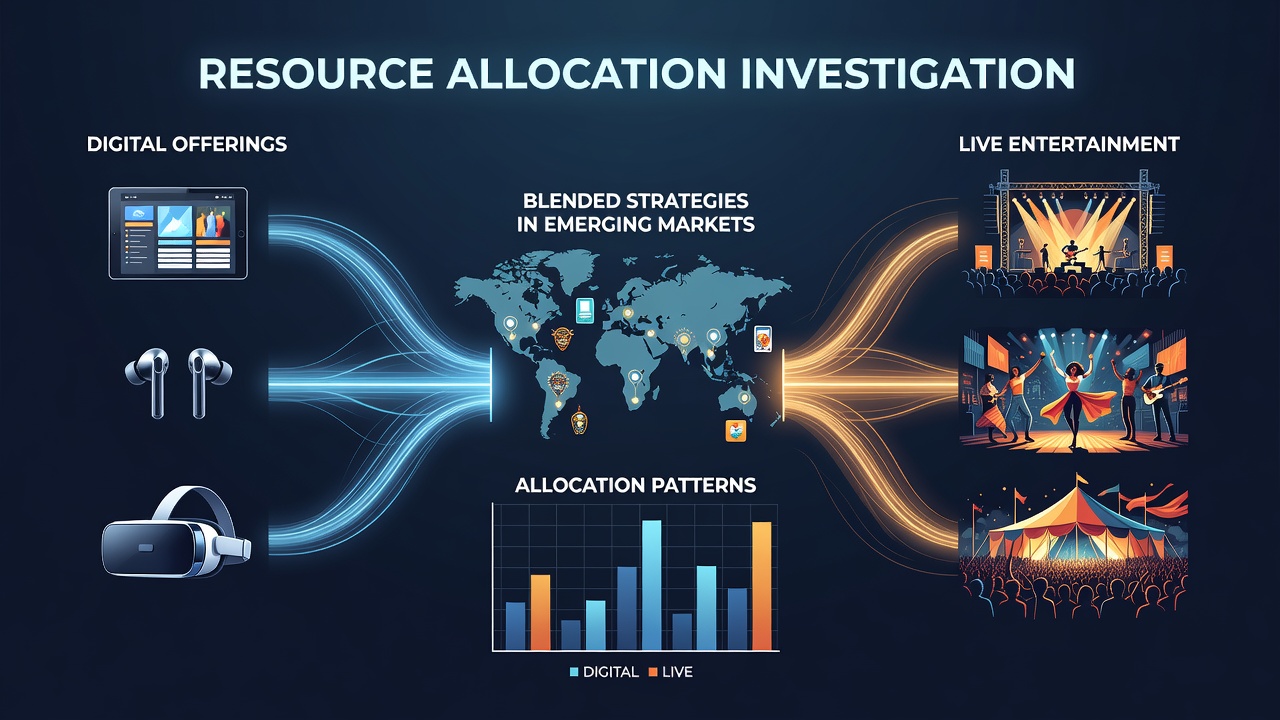
Emerging markets continue to shift resources between digital platforms and live venues as operators balance infrastructure costs with audience reach, and data from multiple regions shows operators directing 55 to 65 percent of new capital toward mobile applications and streaming services while maintaining physical sites in high-traffic urban zones. Researchers tracking spending patterns across Southeast Asia, Latin America, and sub-Saharan Africa note that digital channels receive heavier upfront investment because they scale faster and require lower ongoing operational overhead compared with venue construction and staffing.
Regional Spending Trends in 2026
Figures released in July 2026 by regional industry groups indicate that operators in Indonesia and Vietnam allocated approximately 40 percent of annual budgets to cloud-based content delivery and user acquisition campaigns, whereas live theater and event spaces absorbed the remaining share for maintenance and talent contracts. In Brazil and Colombia, similar breakdowns appear with digital marketing and app development claiming the larger slice, while physical casino floors and music halls receive targeted upgrades rather than full-scale expansions. Observers note that this split reflects both regulatory limits on new land-based licenses and consumer preference for on-demand access via smartphones.
Key Drivers Behind Allocation Decisions
Cost structures play a central role because digital infrastructure avoids many expenses tied to real estate and local labor regulations, and operators report that building a single large-scale venue can exceed the yearly operating budget for an entire digital platform serving multiple countries. At the same time, live offerings generate higher per-visit revenue through food service, premium seating, and merchandise, which explains why some groups continue to reserve portions of capital for hybrid spaces that combine streaming capabilities with in-person events. Those who have studied these patterns point to data showing that blended models often achieve steadier cash flow when digital traffic feeds into live promotions and vice versa.
Technology Integration and Data Utilization
Advanced analytics platforms now allow operators to track user behavior across both channels in real time, and this visibility helps refine how resources move between digital acquisition tools and live venue staffing schedules. In markets such as Nigeria and Kenya, companies have begun using location-based notifications to direct app users toward nearby events, creating measurable lifts in attendance without proportional increases in physical marketing spend. One study revealed that synchronized reward systems, where digital points convert to live-event discounts, improve retention rates by linking the two environments more tightly than standalone offerings.
Challenges in Measuring Returns
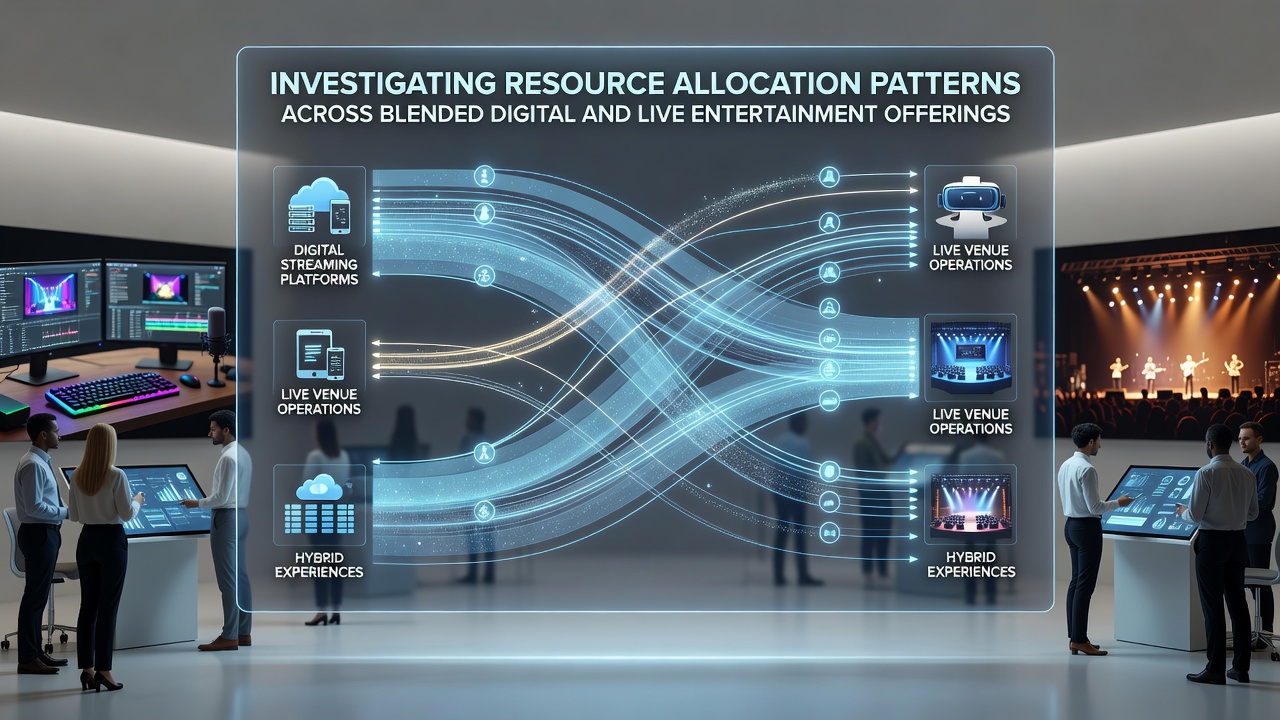
Quantifying the exact return on blended investments remains difficult because revenue streams often overlap, yet regulatory filings and operator disclosures provide clearer snapshots each quarter. Data from government tourism and gaming oversight bodies in Mexico and Peru show that digital segments contribute growing shares of total revenue while live venues maintain importance for brand visibility and regulatory compliance. Those who've examined the filings find that operators frequently adjust allocations mid-year based on seasonal tourism patterns and currency fluctuations that affect imported technology costs.
Future Outlook for Blended Models
Industry associations in the Asia-Pacific region project continued growth in digital allocation through 2027, although they also forecast modest increases in live venue upgrades as emerging middle-class populations seek more in-person experiences. Coordination between mobile apps and physical sites requires ongoing technical investment, and companies that master this integration tend to report more stable resource distribution across both formats. What's interesting is how local regulations on data privacy and cross-border payments continue to shape where operators place their heaviest bets on infrastructure.
Conclusion
Patterns of resource allocation across digital and live entertainment in emerging markets reveal a consistent emphasis on scalable digital platforms paired with selective live venue support, and the July 2026 data releases underscore that this balance continues to evolve with technology costs and regulatory environments. Operators who align spending with real-time usage metrics appear better positioned to sustain growth across both channels without overcommitting capital to any single format. Continued observation of these trends will depend on transparent reporting from both private firms and regional oversight agencies.