15 Jul 2026
Mapping Compliance Frameworks for Integrated Sports and Casino Platform Operations in Expanding Markets
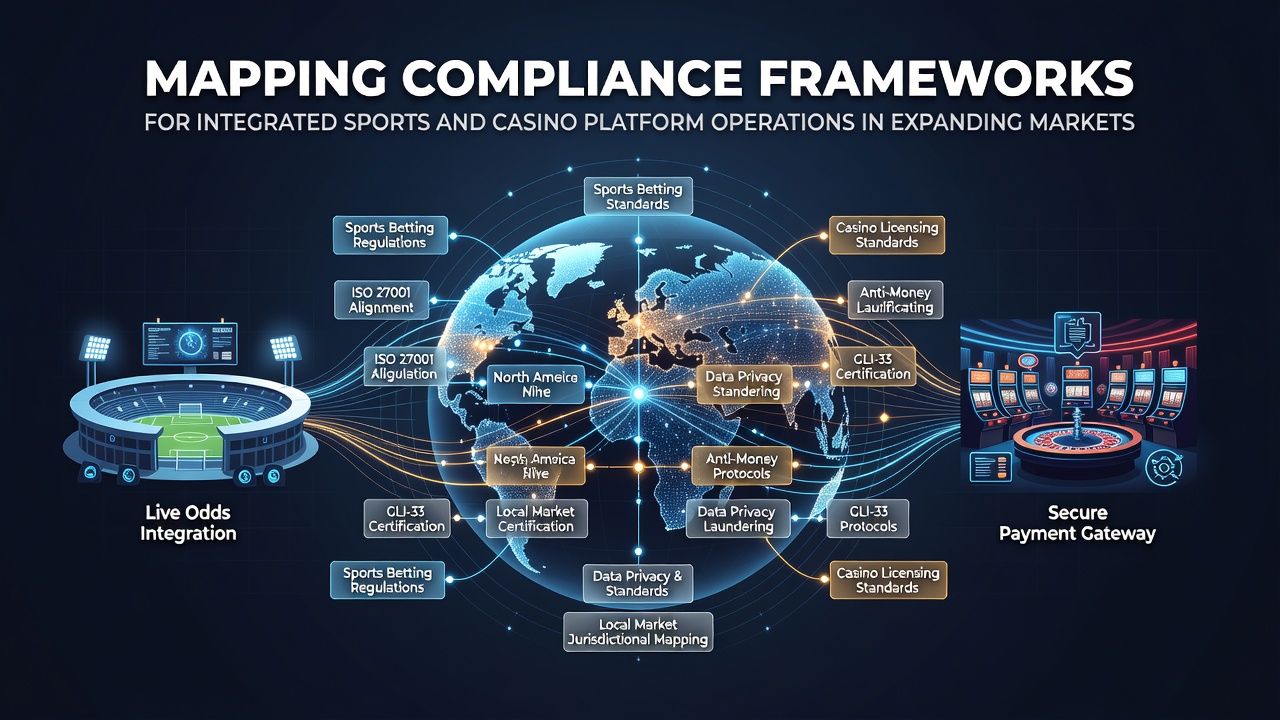
Integrated platforms that combine sports wagering with casino games face layered regulatory demands as operators move into fresh jurisdictions, and these demands require systematic mapping to maintain operational continuity while satisfying multiple oversight bodies at once. Data from industry reports shows that such platforms must align anti-money laundering protocols, responsible gaming measures, licensing conditions, and data security standards across borders where rules differ sharply in scope and enforcement style.
Regulatory Landscape in Emerging Jurisdictions
Expanding markets in regions across North America, Europe, and parts of Asia have introduced new licensing regimes since 2024, each carrying distinct requirements for integrated operations that blend real-time sports betting with slot and table game offerings. Observers note that authorities in these areas often impose separate approval tracks for sports and casino verticals, which forces operators to reconcile overlapping obligations such as age verification thresholds, transaction monitoring thresholds, and advertising restrictions within a single technical architecture. Figures from regulatory filings indicate that platforms entering these markets in 2025 encountered an average of four to six distinct compliance checkpoints before full launch, with additional audits scheduled quarterly thereafter.
Core Components of Compliance Mapping
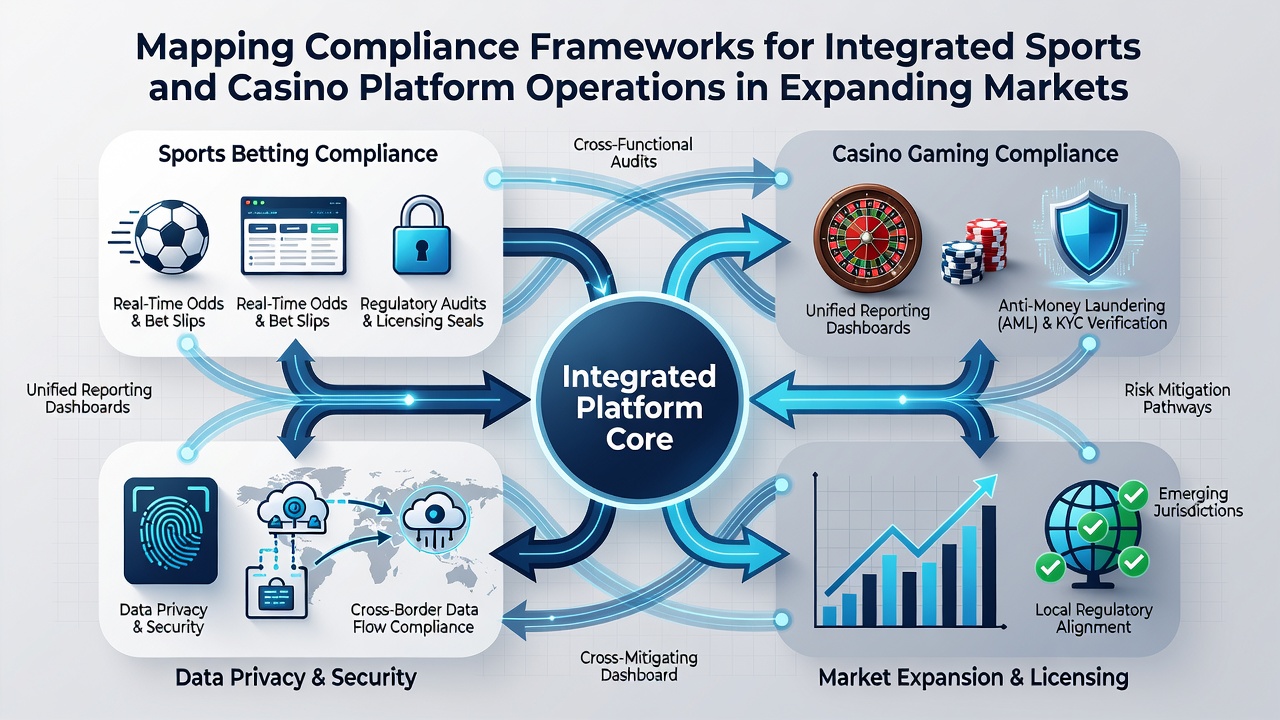
Effective mapping begins with a centralized matrix that lists every jurisdiction's rules against platform functions, allowing teams to identify where one set of controls satisfies multiple regulators and where custom adjustments become necessary. This matrix typically covers know-your-customer procedures, source-of-funds checks, self-exclusion database synchronization, and payout delay mechanisms that apply equally to sports wagers and casino sessions. Research indicates that organizations using automated mapping tools reduced manual reconciliation time by up to 40 percent compared with spreadsheet-based approaches, particularly when handling cross-border player data transfers that fall under varying privacy statutes.
Technology and Data Integration
Platform operators rely on modular software layers that tag each transaction with jurisdiction-specific metadata, enabling real-time flagging of activity that breaches thresholds in any active market. These systems connect directly to external watchlists and self-exclusion registries maintained by government agencies, while internal ledgers record both sports bet placements and casino game results in formats that support unified reporting. In July 2026 several Canadian provincial regulators began piloting shared data-exchange protocols that allow licensed operators to submit consolidated compliance reports covering both verticals rather than separate submissions for each, a step that streamlines oversight without reducing visibility into player behavior patterns.
Practical Examples from Recent Expansions
One operator that launched an integrated platform in two Australian states during 2025 mapped its bonus wagering requirements against both state gaming acts and federal interactive gambling rules, resulting in a single bonus engine that applied uniform contribution percentages across sports and casino products. Another firm entering a new European market aligned its live dealer feeds with local server-location mandates while maintaining global sports odds engines, a configuration that satisfied both data-residency rules and integrity monitoring standards set by the host country's gambling authority. According to a report published by the American Gaming Association, such dual-vertical setups now represent over 35 percent of new license applications filed in regulated U.S. states during the first half of 2026.
Challenges in Maintaining Synchronized Controls
Discrepancies arise when one jurisdiction updates its responsible gaming deposit limits while neighboring markets retain older caps, requiring dynamic configuration switches that activate based on player location at the moment of each transaction. Payment processor integrations add another layer, since certain methods approved for sports betting may face additional scrutiny when used for casino play under the same license. Those who have studied these environments point out that audit trails must capture every rule application event so that examiners can reconstruct compliance decisions months after the fact, a requirement that increases storage and retrieval demands on platform databases.
Conclusion
Systematic mapping of compliance frameworks enables integrated sports and casino platforms to operate across expanding markets by translating diverse regulatory inputs into coordinated technical and procedural outputs. As more jurisdictions finalize their rules through 2026 and beyond, the ability to maintain a living matrix of obligations continues to determine which operators achieve sustainable multi-market presence while meeting each authority's distinct expectations.