27 Jul 2026
Navigating Layered Threshold Adjustments Across Hybrid Reel and Athletic Wagering Circuits

Operators manage layered threshold adjustments in systems that combine reel-based games with athletic wagering circuits, where deposit limits, loss caps, and bet sizing rules shift based on real-time player data and jurisdictional requirements. These adjustments occur across platforms that link slot sequences to live sports markets, creating environments where a single account tracks activity in both areas and applies cumulative controls that respond to daily, weekly, or monthly patterns. Data from multiple jurisdictions shows that such hybrid setups require coordinated protocols to maintain compliance while supporting varied wagering styles.
Core Components of Layered Threshold Systems
Threshold layers typically stack several control types, starting with account-level deposit caps that feed into game-specific loss limits and then into session-based velocity checks. Reel circuits often trigger faster adjustments because spin volumes accumulate quickly, whereas athletic wagering circuits introduce slower but larger single-bet impacts that affect overall exposure. Observers note that platforms integrate these layers through centralized risk engines that pull information from both reel and sports modules simultaneously, allowing one adjustment in a sports market to influence available slot play and vice versa.
Research from Canadian provincial regulators indicates that hybrid operators reduced manual overrides by 18 percent in 2025 after implementing automated synchronization between reel and athletic modules. The same reports highlight that July 2026 updates to Ontario's iGaming framework introduced new reporting intervals for threshold changes, requiring operators to log every adjustment that crosses a player-defined boundary within both game types.
Implementation Across Reel and Athletic Circuits
Platform teams configure rules that treat reel and athletic activity as interconnected rather than separate streams. A player who hits a weekly loss threshold in football markets, for instance, sees reduced maximum bet sizes on progressive slot titles until the period resets. This interconnection relies on shared ledgers that update thresholds in real time, and studies from the University of Nevada's gaming research division show that synchronized systems cut instances of threshold breaches by nearly a quarter compared with siloed controls.
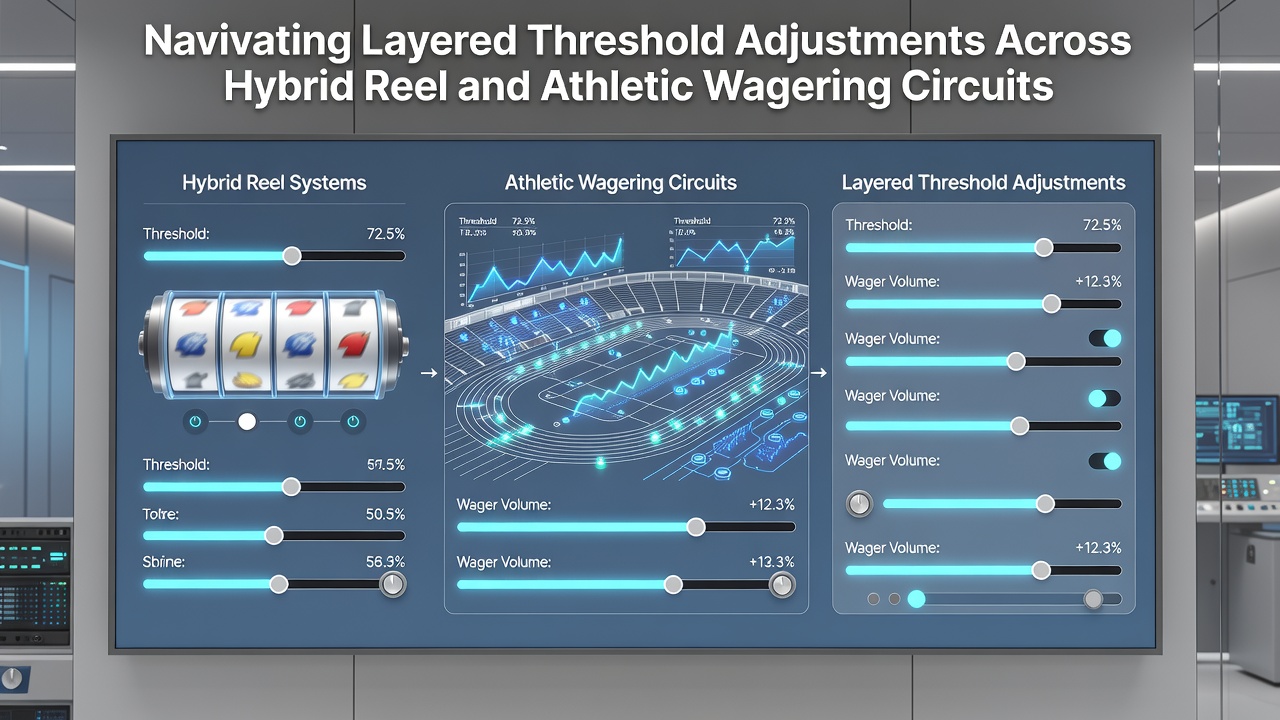
Operators also embed cooling-off triggers that activate across both environments when velocity metrics exceed preset bands. Athletic circuits contribute larger per-event swings that can push a player across a threshold faster than steady reel play, yet reel volume can sustain pressure on the same limits over longer sessions. Those who administer these systems report that clear documentation of each layer helps staff explain changes to players without creating confusion during active play periods.
Regulatory Developments Shaping Adjustments
State and provincial authorities continue to refine expectations around hybrid threshold management. The Pennsylvania Gaming Control Board published guidance in early 2026 that requires operators to demonstrate how reel and sports thresholds interact within a single player profile. Similar measures appeared in Australian state regulations, where operators must submit quarterly audits showing that adjustments maintain consistency across game categories. These rules emphasize transparency so players receive timely notice when any layer changes affect their available limits.
Industry associations, including the European Gaming and Betting Association, have compiled case examples from operators who operate across multiple regions. Their summaries indicate that platforms using unified threshold engines experienced fewer regulatory queries during the first half of 2026. The data also reveals that operators who link reel and athletic circuits through shared APIs reduced reconciliation errors that previously arose when separate systems applied conflicting caps.
Practical Approaches Observed in the Field
Teams responsible for these systems often begin by mapping every threshold that touches both reel and athletic activity, then test how changes in one area propagate. They run scenario simulations that replicate high-volume reel sessions followed by large sports wagers to verify that the combined exposure stays within defined bands. External audits conducted for New Jersey operators in spring 2026 confirmed that such testing protocols identified edge cases where a sports threshold reset did not immediately reflect in reel limits, prompting software patches before July rollout deadlines.
Training materials distributed to compliance staff stress the importance of logging every manual override with a clear rationale tied to either regulatory or player-requested changes. This documentation supports the layered nature of the controls and helps regulators trace how adjustments maintained fairness across hybrid environments. Observers tracking these practices note that consistent record-keeping correlates with smoother license renewals in jurisdictions that review hybrid operations.
Conclusion
Layered threshold adjustments in hybrid reel and athletic wagering circuits continue to evolve as operators integrate reel and sports modules under unified risk frameworks. Regulatory updates scheduled through July 2026 and beyond emphasize synchronized reporting and transparent communication with players. Operators that maintain clear mapping of each control layer, conduct regular cross-circuit testing, and align documentation practices with current requirements position themselves to handle these adjustments without disrupting player experience or compliance standing.