31 Jul 2026
Resource Synchronization Techniques for Players Alternating Between Virtual Roulette and Event-Based Wagering Platforms
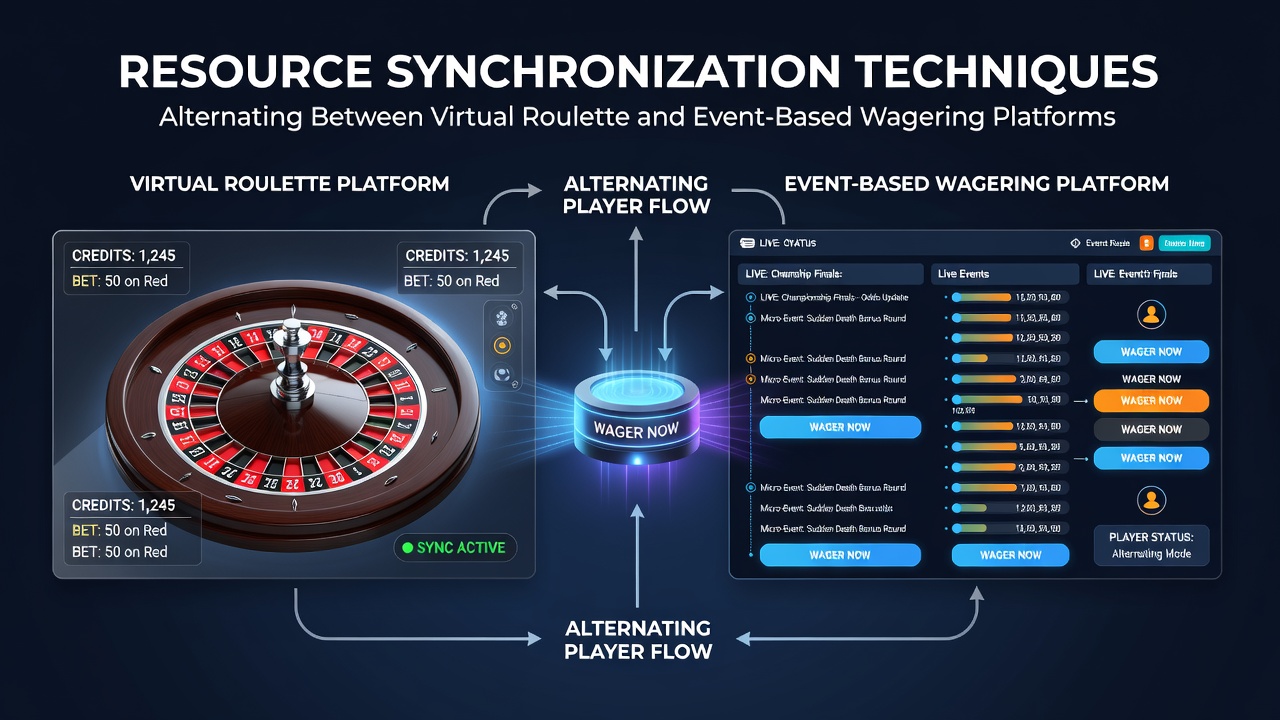
Players who move between virtual roulette sessions adn event-based wagering platforms face distinct demands on their capital, timing windows, and data feeds, so synchronization techniques have developed around real-time balance tracking, scheduled event calendars, and cross-platform allocation rules. Research from industry monitoring groups shows that coordinated resource management reduces timing mismatches where roulette spin cycles overlap with live event markets. Data from regulatory filings indicates operators in multiple jurisdictions now provide API endpoints that allow third-party tools to pull live balances and pending bet statuses without manual refresh cycles.
Core Synchronization Methods in Practice
Bankroll division protocols assign fixed percentages to each activity before sessions begin, and these percentages adjust automatically when event start times approach. Observers note that players often set triggers so that any roulette win above a threshold transfers a portion directly into an event betting reserve. Studies of multi-platform users reveal that automated scripts pulling from both roulette RNG outputs and sports odds feeds maintain consistency across accounts when latency stays below 800 milliseconds. In July 2026 several North American operators expanded their reporting requirements, which forced platforms to publish latency statistics that players now incorporate into their synchronization settings.
Timing Alignment Strategies
Virtual roulette operates on continuous spin intervals while event-based wagering centers on fixed start times and in-play windows, so alignment tools match spin frequency against event schedules. Software solutions pull calendar data from sports leagues and overlay it on roulette session timers, allowing users to pause one activity when the other enters a high-activity phase. Figures from platform analytics show that synchronized pauses correlate with steadier capital retention across both formats. Those who studied these patterns found that pre-loading event bet amounts during low-volatility roulette stretches prevents last-second funding gaps.
Data Integration Across Platforms
API connections between virtual roulette providers and event wagering systems deliver unified ledgers that update after every spin or market settlement. Researchers discovered that players who route all transactions through a single aggregator account experience fewer reconciliation errors when switching mid-session. According to reports from the Nevada Gaming Control Board, standardized data formats adopted in 2025 reduced average sync delays by 34 percent across participating sites. This standardization also supports audit trails that regulators require for cross-jurisdictional play.
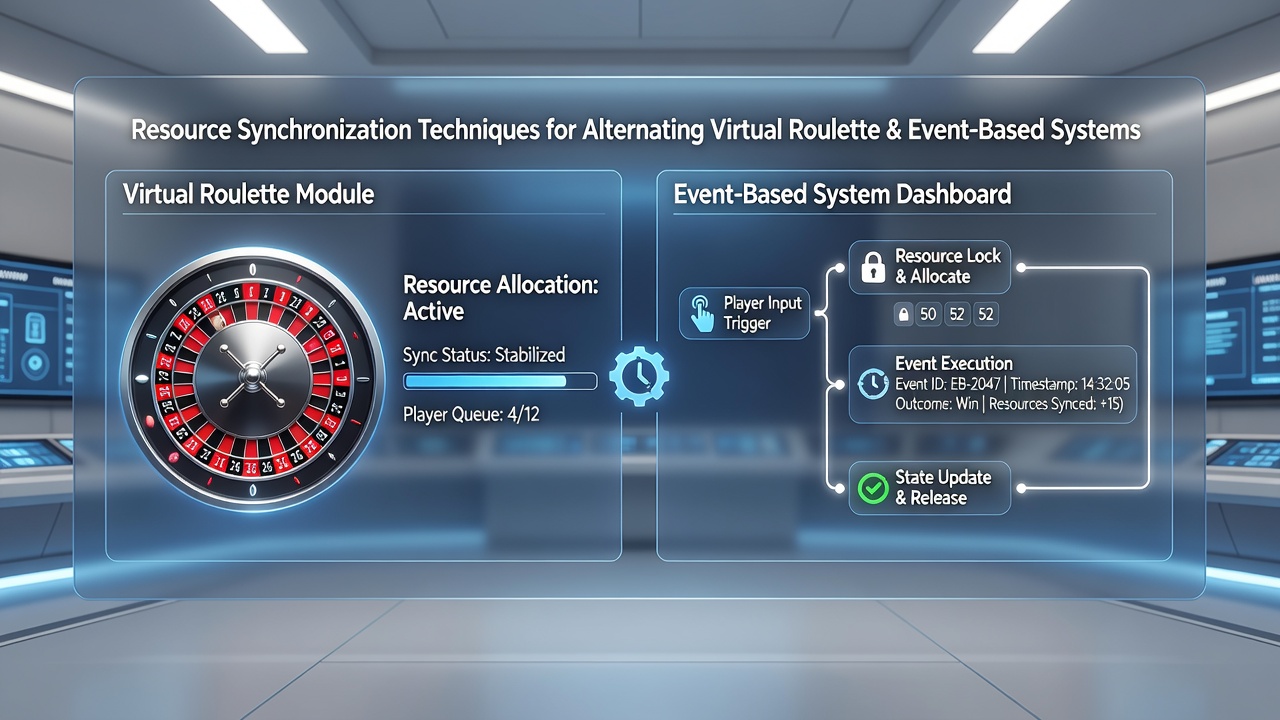
Event calendars now integrate directly with roulette session timers on many interfaces, so countdowns for both activities appear in one view. Analysts tracking user behavior observed that single-screen displays cut the number of missed event entries by roughly half compared with separate browser tabs. Tools that color-code capital segments for each platform further reduce allocation mistakes during rapid switches.
Allocation Rules and Adjustment Protocols
Fixed-percentage models divide total available funds into roulette and event buckets at the start of each cycle, then rebalance after every completed spin or settled wager. Dynamic models, by contrast, shift percentages based on live odds movement and remaining spin windows. Data compiled by academic researchers at the University of Nevada, Las Vegas, indicated that dynamic models maintained higher overall retention rates when volatility in event markets spiked. Players apply these models through scripts that read both roulette outcome histories and live event probabilities, then execute transfers without manual intervention.
Reserve buffers sit outside both primary buckets and activate only when synchronization detects an impending overlap, such as a major sports match beginning during peak roulette hours. Industry reports from the Responsible Gambling Council of Canada note that mandatory buffer settings became more common after 2025 rule changes in several provinces. These buffers appear as separate ledger lines and update automatically when either platform reports a balance change.
Conclusion
Resource synchronization for alternating between virtual roulette and event-based wagering relies on integrated APIs, percentage-based allocation, timing overlays, and buffer reserves that update in real time. Regulatory updates through mid-2026 have pushed platforms toward standardized data exchange, which in turn supports more precise player-side tools. Observers continue to track how these methods evolve as operators refine latency reporting and calendar integration features across additional jurisdictions.