22 Jun 2026
Tracing Interdependencies Between Mobile Interface Designs and Player Decision Patterns in Regulated Digital Platforms
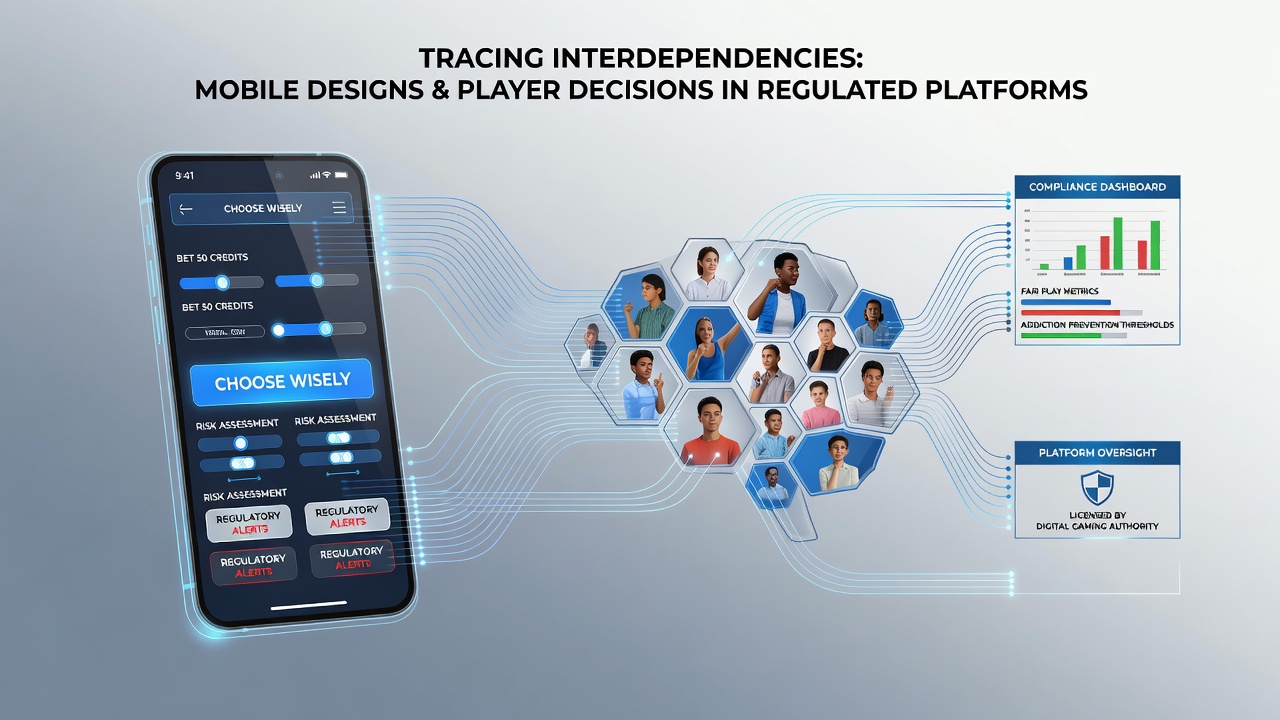
Regulated digital platforms have grown rapidly in recent years, and mobile interface designs now shape how users interact with games, bets, and account features across jurisdictions. Designers arrange buttons, colors, and navigation flows to guide attention, while player choices emerge from those visual cues and functional elements. Research indicates that layout decisions influence session duration and wager frequency, and data collected from licensed operators reveal consistent correlations between interface tweaks and behavioral shifts.
Core Elements of Mobile Interfaces in Licensed Environments
Operators in regulated markets deploy interfaces that comply with strict accessibility and transparency rules, yet they still experiment with placement of balance displays, bet selectors, and confirmation screens. Larger touch targets reduce accidental taps, and animated transitions between game rounds maintain engagement without violating speed-of-play limits. Observers note that real-time notifications about remaining funds or responsible gaming tools appear at fixed intervals, and these interruptions alter the pace at which decisions occur.
Color palettes and icon styles also differ by region. North American platforms often use bold contrasts to highlight deposit options, whereas European operators favor muted tones that emphasize game information. Both approaches affect how quickly users locate and select betting options, and comparative studies show measurable differences in click-through rates tied directly to these stylistic choices.
Documented Patterns in Player Decision Making
Player logs from multi-state systems demonstrate that interface friction points change how often users adjust stake sizes or switch games mid-session. When confirmation dialogs require an extra tap, average bet amounts tend to stabilize rather than escalate, and session lengths shorten slightly. Conversely, streamlined one-tap repeat-bet functions correlate with higher repeat rates on the same game type.
Timing matters as well. Interfaces that surface historical performance data right after a round ends prompt more players to review outcomes before placing the next wager. In June 2026, activity summaries released by several North American regulators highlighted that platforms incorporating such review prompts recorded steadier play volumes compared with those that advanced directly to the next round.
Measured Interdependencies Across Jurisdictions
The relationship between design and behavior becomes clearest when operators test variants under controlled conditions. A/B experiments conducted on licensed apps reveal that moving the cash-out button from the top navigation bar to a persistent bottom bar increases early exits from losing streaks. Similar tests show that altering the order of game thumbnails on the lobby screen shifts traffic toward titles placed in the first visible row, regardless of their mathematical profiles.
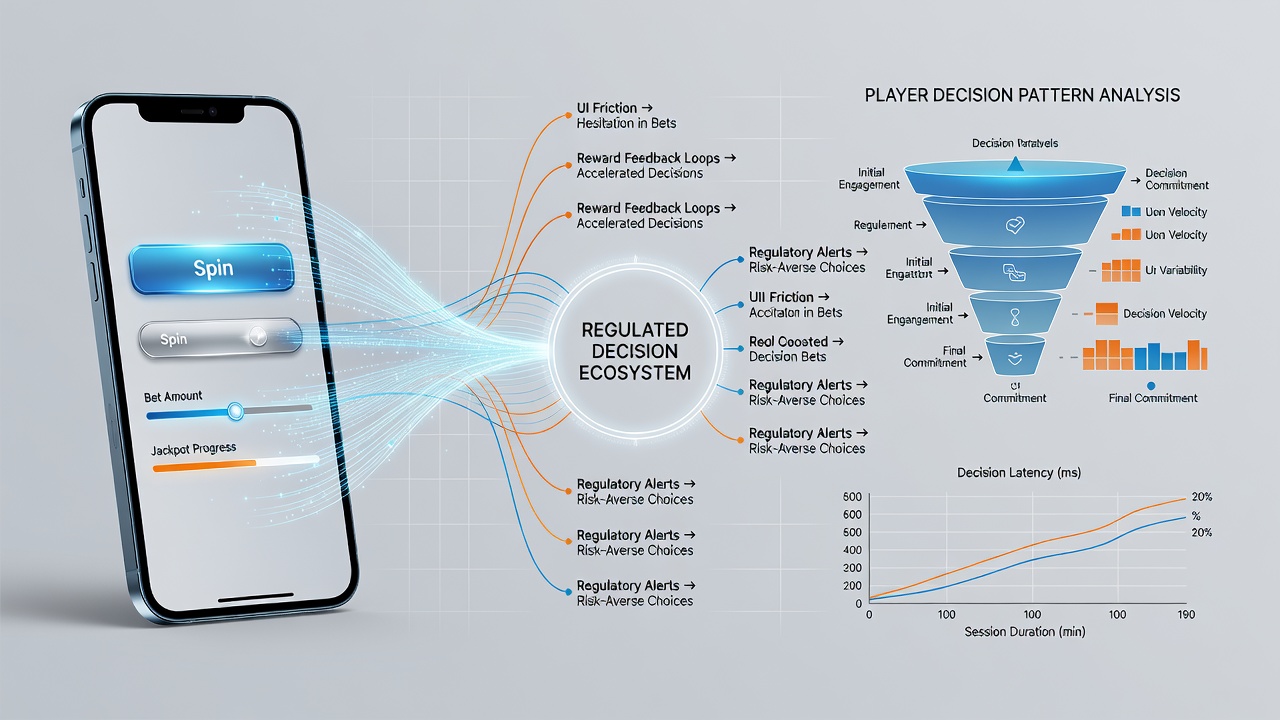
Regulatory filings further illustrate these links. Data shared with oversight bodies in multiple Canadian provinces indicate that mandatory display of remaining balance after every spin reduces the frequency of rapid successive bets. In Australia, similar requirements for loss-limit reminders embedded within the interface have produced parallel reductions in extended play periods, according to aggregated operator reports.
Academic analyses reinforce these operational findings. A 2025 study published through an international human-computer interaction journal examined touch-heatmap data from regulated poker and slot applications and found that thumb-reach zones on larger screens predict which betting options receive the most selections. Researchers mapped finger travel distances against wager sizes and concluded that interface geometry directly modulates risk exposure per round.
Regulatory Frameworks Shaping Design Choices
Licensing authorities require operators to log interface versions alongside player activity, which enables post-hoc analysis of design impacts. In the United States, several state gaming control boards now request screenshots of every deployed screen during annual audits, and these records help trace whether specific layout changes preceded shifts in player metrics. European regulators apply comparable documentation standards, though they emphasize audit trails for responsible gaming prompts rather than pure performance indicators.
Cross-border platforms face additional complexity because mobile apps must adapt to multiple rule sets simultaneously. Designers therefore maintain modular components that toggle visibility of certain fields based on user location, and backend systems record which variant each player encountered. This architecture allows compliance teams to verify that decision-influencing elements remain within permitted boundaries while still supporting consistent user experiences.
Conclusion
Interface elements and player decisions form a feedback loop that regulators, operators, and researchers continue to monitor through logs, experiments, and comparative reports. As mobile platforms expand, the granularity of available data increases, and the ability to isolate design effects from other variables improves. Those who track these interdependencies gain clearer pictures of how regulated environments function at the intersection of technology and behavior.