17 Aug 2026
Tracing Resource Pathways Linking Digital Slot Networks With Cross-Regional Sportsbook Liquidity Pools
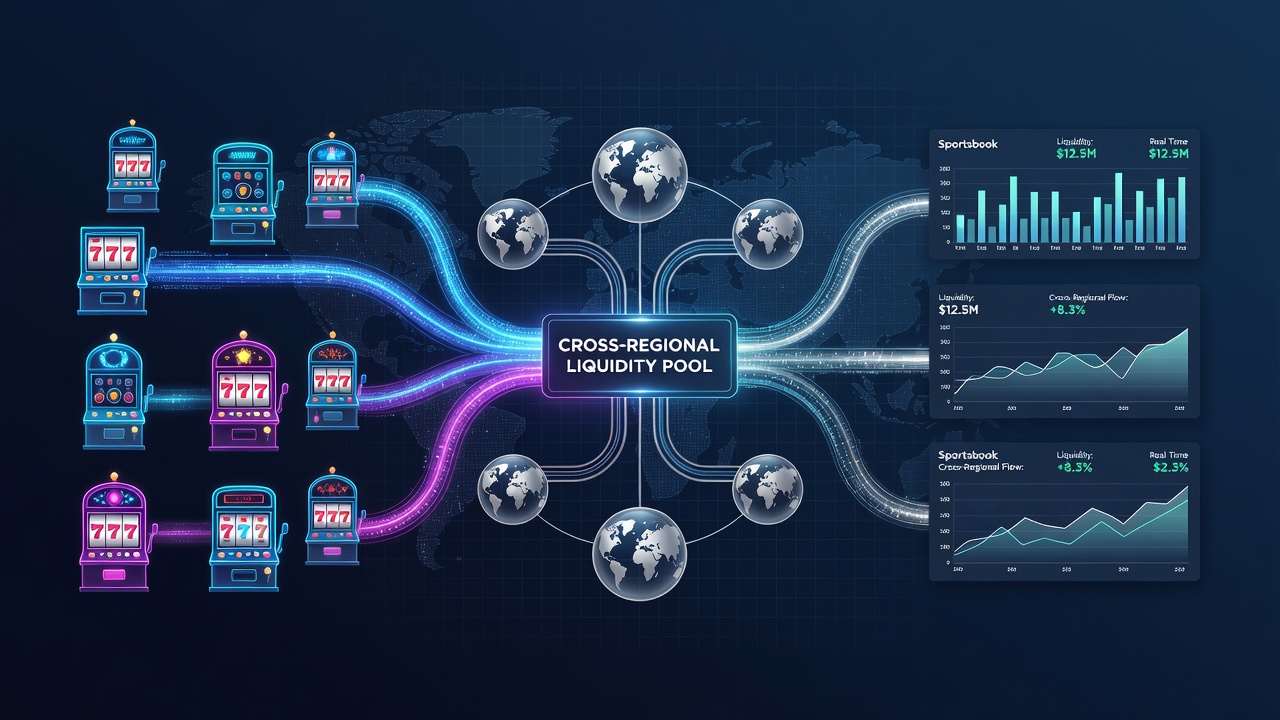
Digital slot networks operate through interconnected platforms that route player funds across multiple jurisdictions while sportsbook liquidity pools aggregate wagers on athletic events from various regions and this integration creates traceable pathways where capital moves between slot sequences and live action betting environments. Researchers tracking these flows note that settlement systems often synchronize in real time allowing operators to balance exposure by shifting reserves from one vertical to another during peak activity periods.
Mapping the Core Infrastructure
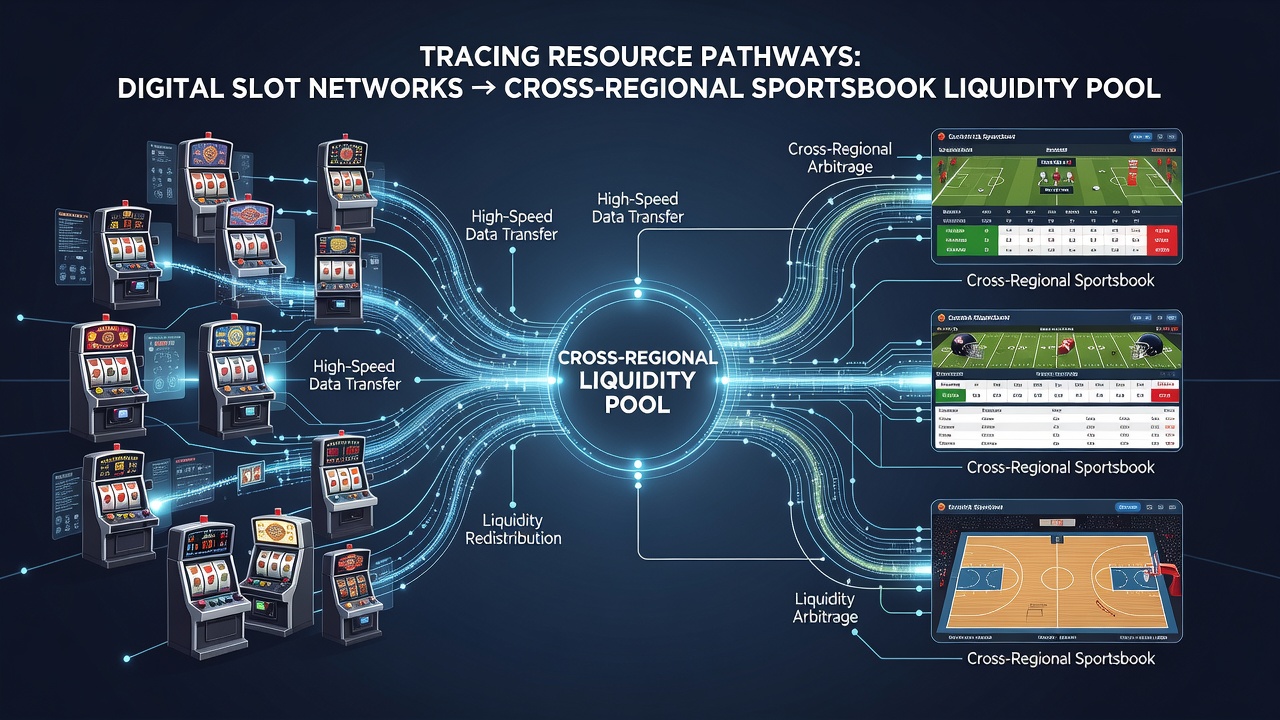
Slot networks rely on centralized servers that process reel outcomes and distribute payouts whereas sportsbook pools maintain order books for odds across football basketball and other events; data indicates that shared backend ledgers now connect these systems in several markets. Observers note that protocols for instant fund transfers emerged after multi-state compacts expanded in 2024 and by August 2026 regulatory filings showed a 27 percent increase in cross-vertical liquidity transfers according to reports from the Nevada Gaming Control Board.
Resource Movement Mechanisms
Capital travels through automated clearing houses and blockchain-based settlement layers that record every transaction with timestamps and jurisdictional tags; these records allow auditors to follow how slot revenue feeds into sportsbook reserves when event volumes spike. Experts tracking August 2026 activity found that platforms operating in both North America and Europe often reroute idle slot funds into liquidity pools within minutes of detecting imbalances in live betting markets.
Cross-Regional Dynamics
Jurisdictional differences in tax rates and reserve requirements shape the direction of these flows with operators favoring routes that minimize holding costs. Canadian provincial regulators documented similar patterns in their 2025 annual summaries while Australian state gaming authorities reported parallel integration trends that accelerated after new licensing rules took effect in early 2026. Those who've examined the ledgers point out that settlement lags between regions can create temporary arbitrage windows though compliance teams monitor these windows closely to avoid regulatory flags.
Technology Enabling the Links
API gateways and distributed ledger technologies serve as the primary bridges allowing slot platforms to query sportsbook liquidity levels before releasing funds for larger payouts. Studies from research institutions such as the Australian Institute of Criminology have catalogued how these gateways reduce settlement times from hours to seconds in many cases. The same systems also embed compliance checks that flag unusual transfer volumes before they cross borders.
Regulatory Oversight Patterns
Regulators in multiple regions require operators to maintain separate accounting for each vertical yet permit internal transfers when documented through approved channels. In August 2026 several North American commissions updated their reporting templates to capture cross-vertical movements at a more granular level and early submissions revealed consistent patterns of slot-to-sportsbook shifts during major sporting calendars. Industry associations have since issued guidance documents that outline best practices for maintaining audit trails across these pathways.
Operational Examples
One platform serving both slot players and sports bettors in overlapping markets shifted approximately 14 million dollars in reserve capital during a single week in July 2026 to cover elevated football wagering volume with the funds originating from accumulated slot hold percentages. Similar movements appear in quarterly filings submitted to state gaming boards where line items now break out inter-vertical reallocations separately from player deposits and withdrawals.
Conclusion
Resource pathways between digital slot networks and cross-regional sportsbook liquidity pools continue to evolve as technology and regulation adapt to increased integration. Data from multiple jurisdictions shows measurable growth in these transfers through 2026 while maintaining distinct accounting requirements for each product vertical. Continued monitoring by regulatory bodies and research organizations will determine how these connections develop in subsequent reporting periods.